
HA2001: Self-Awareness and Interpersonal Skills (Semester 1, AY25/26)
- Know Yourself. Find Your Place in a Team. Lead with Your Own Style
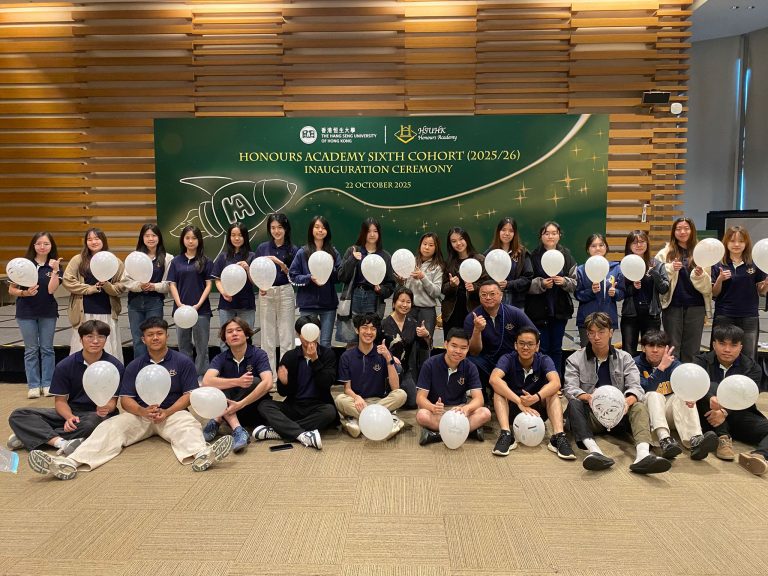
If leadership is a journey, HA2001: Self-Awareness and Interpersonal Skills is where Honours Academy (HA) students build a strong start, through energy, honesty, and hands-on practice. The module moves in three clear stages: self-awareness, teamwork, and negotiation, helping our HA future leaders understand who they are, how they work with others, and how they lead.
Step 1: Self-awareness: meeting yourself, properly
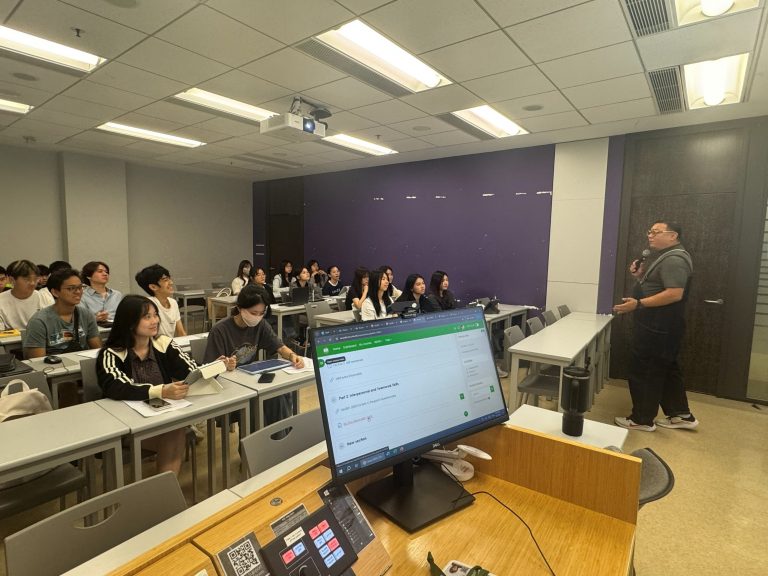
HA2001 began with self-awareness, far beyond a quick personality test. Dr Jessica Mo, Registered Counselling Psychologist and Lecturer in Psychology at The Hang Seng University of Hong Kong (HSUHK), led Understanding of Self/ves, guiding students to name their values, strengths, blind spots, and the factors that shape their responses in different situations.
Building on this foundation, Dr Holly Chung, Head of HA, focused on self-efficacy and self-management: recognising what you can do, what you can’t do yet, and how emotional regulation keeps you steady, intentional, and purposeful as you grow into leadership.
Step 2: Teamwork: leadership you can see in real time
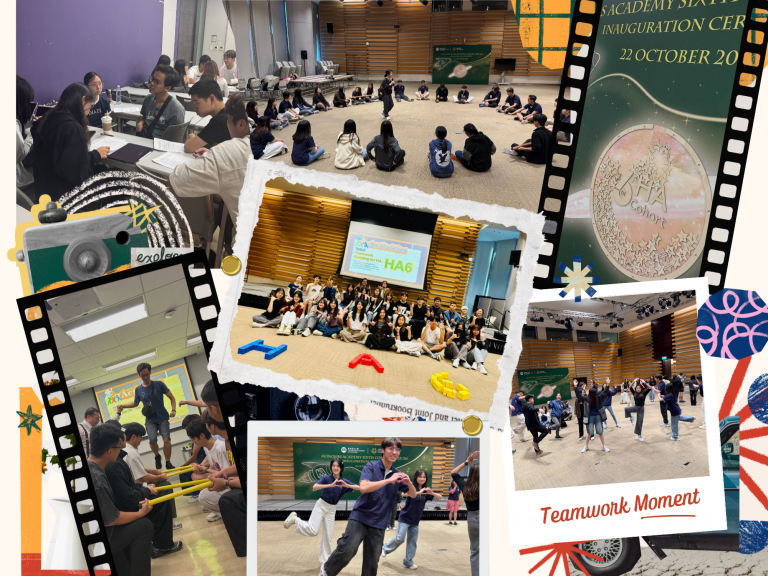
The module then shifted from self-understanding to working with others, where leadership becomes visible. Dr Bernard Luk, Associate Head of HA and Senior Lecturer at HSUHK’s School of Business, led interactive team-building activities that bring communication and collaboration to life. Our HA students practised trust, feedback, and coordination on the spot, and learned how different working styles can clash, or click, depending on how a team supports one another.
Step 3: Negotiation: live, not theoretical
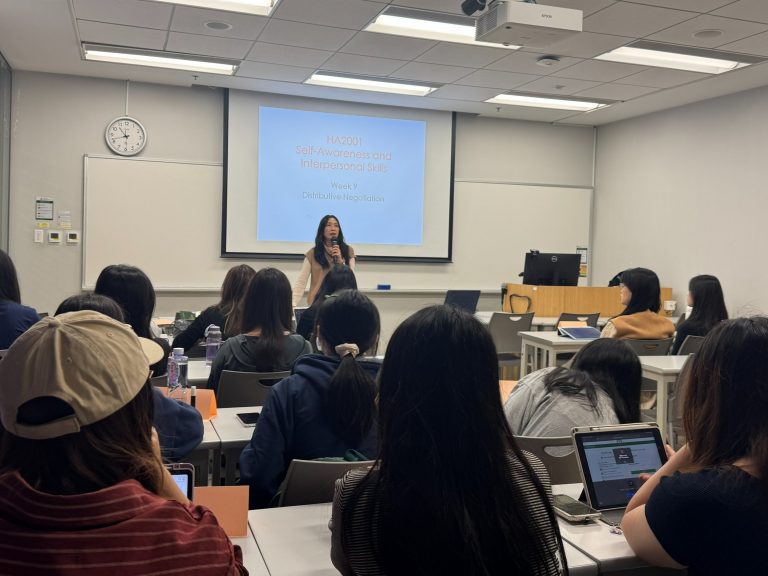
HA2001 closed with negotiation training led by Professor Jeanne Fu, Vice-President (Learning and Student Experience), and Founding Head of HA. Our HA students negotiated, reflected, and refined, learning to prepare strategically and use practical tools that carry into everyday decision-making, including BATNA (Best Alternative to a Negotiated Agreement). By the end, “What’s your BATNA?” became a clear way to navigate trade-offs, conflict, and tough conversations with confidence.
With this foundation in place, HA students move on to HA2002: Service Leadership and Public Policy Engagement, where leadership steps beyond the classroom and into real communities, real issues, and real impact.